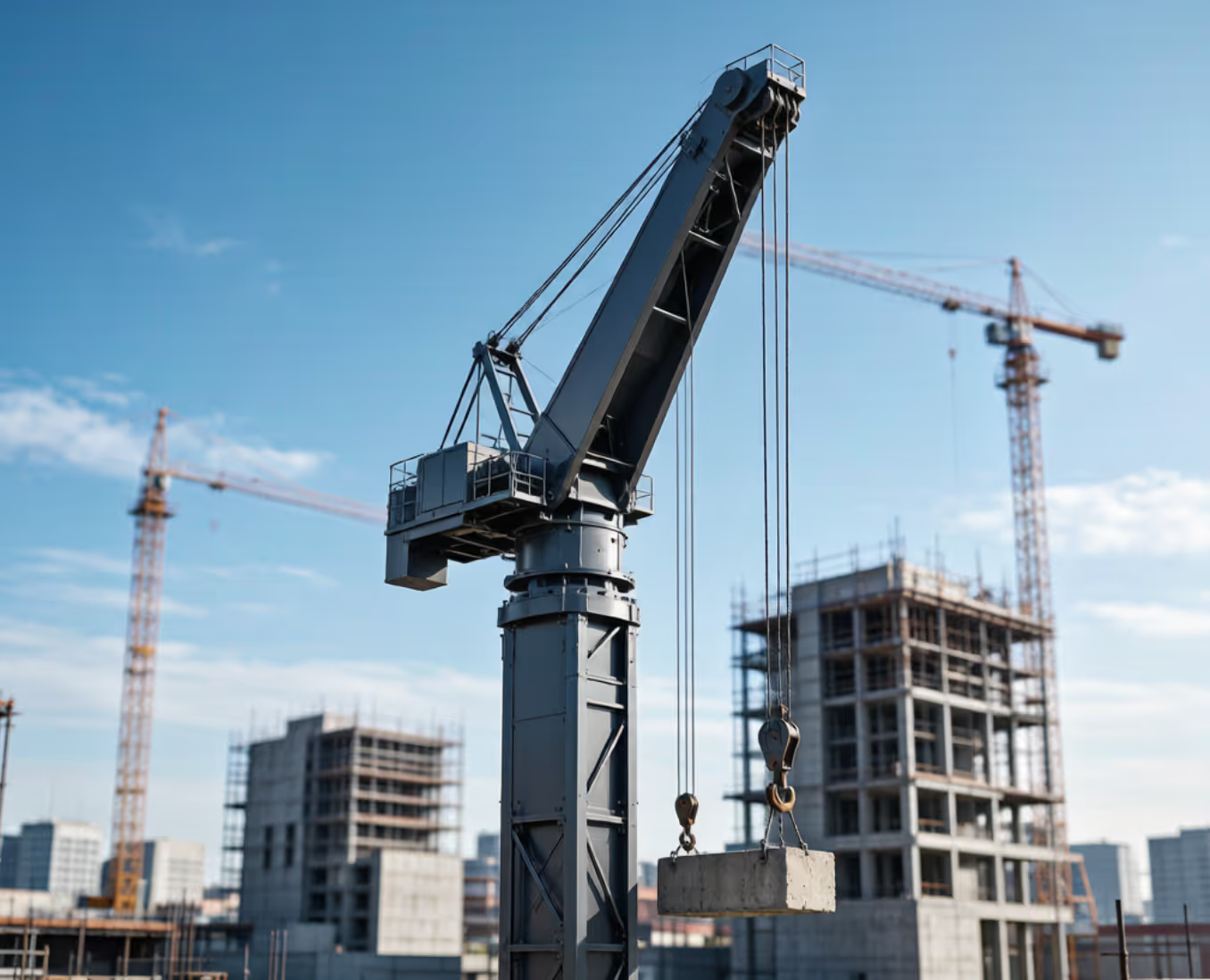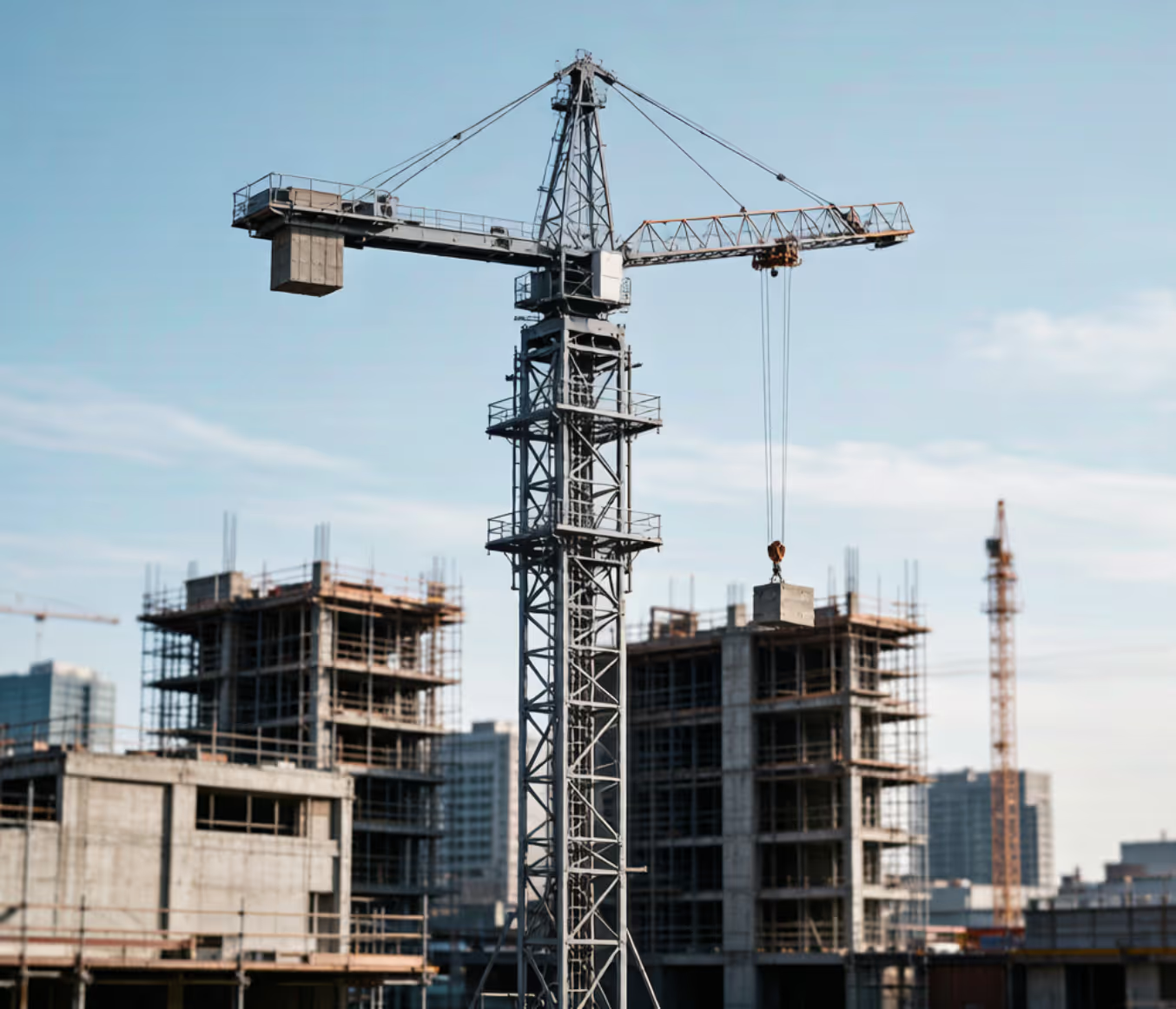

If the hammer-head tower crane is the classic T-shaped giant, the flat-top tower crane is its modern, minimalist sibling — the one you’ll increasingly spot on city-center job sites where space is tight and neighbors are close.
What Makes It “Flat-Top”?
Look up at a hammer-head and you’ll see a tall A-frame or tower-top structure holding the jib up. A flat-top ditches that. The horizontal jib connects directly to the mast with no protruding tower head or extended counter-jib tail. From the side, the top profile is… well, flat. That simple change unlocks a few neat advantages.
How It Works
Mechanically, it’s similar to its hammer-head cousin: a vertical mast, a horizontal jib with a trolley running along it, and counterweights on the back end. The difference is in the joints — the jib and counter-jib are pinned directly to the slewing platform on top of the mast, often using a “tie-rod” system to share the load. No tower-head triangle means fewer parts swinging high above.
Why Choose Flat-Top?
- Lower height profile — crucial near airports, power lines, or existing tall buildings.
- Easier climbing in tight clusters — on big sites with multiplecranes working close together, flat-tops don’t tangle because there’s no tall A-frame to collide with neighboring jibs.
- Faster erection & dismantling — fewer major components to lift into place.
- Flexible jib configurations — you can leave out a section or two to shorten the jib without re-engineering the whole thing.
The Trade-Off
Flat-tops tend to be a bit more expensive upfront, and the jib experiences higher bending stress (since there’s no tower head to help carry the load), so they’re generally favored for mid-to-high-rise urban jobs rather than the absolute tallest mega-projects where hammer-heads still rule.
Spot one next time you pass a downtown site squeezed between two buildings — that clean, low-silhouette crane up top is likely a flat-top doing its quiet work.